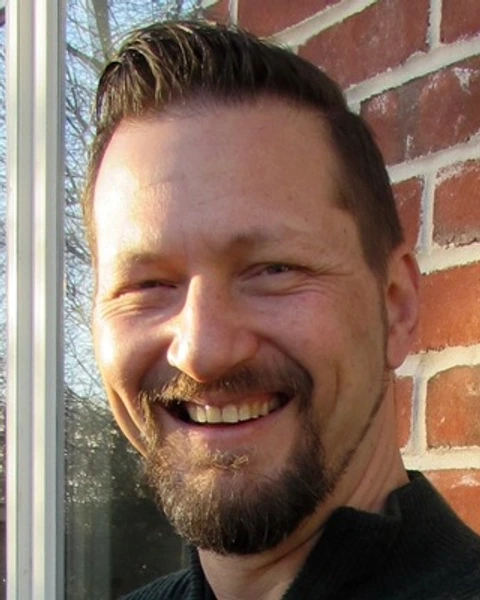
Sunday, June 7th, 2026 1:45 PM EDT -4:45 PM EDT Robert T. Muller PhD
Yahoo!
Description
Dr. Robert Muller's Abstract: Forgiveness is frequently discussed in trauma therapy literature, yet in clinical practice it often presents complex challenges, particularly for survivors of interpersonal trauma perpetrated by trusted others. This workshop examines forgiveness as a nuanced and sometimes problematic therapeutic construct—one that can promote healing in some contexts while causing harm when introduced prematurely or coercively. Participants will explore distinctions between authentic and rushed forgiveness, the role of apology in facilitating genuine repair, and the importance of conceptualizing forgiveness as a process rather than an outcome. Special attention will be given to self-forgiveness, a frequently overlooked but critical aspect of trauma recovery. The workshop integrates theory with clinical case material drawn from trauma-focused psychotherapy to illustrate practical applications. Participants will be invited to reflect and engage throughout the session.
Like this webinar? Click here to view packages that contain this webinar.
About the Presenter:
Robert T. Muller, Ph.D. trained at Harvard, was on faculty at the University of Massachusetts, and is currently at York University in Toronto. Dr. Muller is a Fellow of the International Society for the Study of Trauma & Dissociation (ISSTD) for his work on trauma treatment. His newest therapy book, Trauma and the Struggle to Open Up, was awarded the 2019 ISSTD award for the year's best written work on trauma. And his award-winning bestseller, "Trauma & the Avoidant Client" has been translated widely. As lead investigator on several multi-site programs to treat interpersonal trauma, Dr. Muller has lectured internationally (Australia, UK, Europe, USA), and has been keynote speaker at mental health conferences in New Zealand and Canada. He founded an online magazine, "The Trauma & Mental Health Report," that is now visited by over 100,000 readers a year. With over 30 years in the field, he practices in Toronto.
You can see his books HERE
Learning Objectives:
- Differentiate between authentic forgiveness and rushed or coerced forgiveness in trauma therapy, including identifying clinical indicators of each.
- Explain forgiveness as a non-linear process in the treatment of interpersonal trauma.
- Evaluate the role of apology in facilitating or impeding forgiveness within trauma-informed clinical work.
- Analyze the clinical significance of self-forgiveness in trauma recovery and its impact on shame, avoidance, and self-blame.
- Apply trauma-informed strategies for addressing forgiveness dilemmas using case material presented in the workshop.
Agenda:
0:00–0:20
Conceptualizing Forgiveness in Trauma Therapy
-
Common misconceptions about forgiveness
-
Forgiveness vs. reconciliation
-
Cultural and clinical pressures to forgive
0:20–0:50
Authentic vs. Rushed Forgiveness
-
Clinical indicators of premature forgiveness
-
Impact of rushed forgiveness on trauma symptoms
-
Case illustration
0:50–1:20
Forgiveness as a Process
-
Non-linear models of forgiveness
-
Tolerance of ambivalence and unresolved affect
-
Therapist stance and pacing
1:20–1:30 — Break
1:30–2:00
The Role of Apology in Trauma Repair
-
When apologies help vs. harm
-
Power dynamics and responsibility
-
Clinical examples
2:00–2:30
Self-Forgiveness in Trauma Treatment
-
Shame, self-blame, and moral injury
-
Therapist countertransference
-
Working with avoidance and internalized criticism
2:30–2:55
Clinical Application and Case Discussion
-
Applying concepts to complex trauma cases
-
Ethical considerations
-
Participant questions
2:55–3:00
Summary and Closing Reflections
Accreditation - This Webinar Offers 3 Live Interactive Continuing Education Credits
- Therapist Express is recognized by the New York State Education Department's State Board for Mental Health Practitioners as an approved provider of continuing education for licensed creative arts therapists. #CAT-0122.
- Therapist Express is recognized by the New York State Education Department's State Board for Mental Health Practitioners as an approved provider of continuing education for licensed marriage and family therapists #MFT-0129.
- Therapist Express is recognized by the New York State Education Department's State Board for Mental Health Practitioners as an approved provider of continuing education for licensed mental health counselors. #MHC-0325.
- Therapist Express is recognized by the New York State Education Department's State Board for Psychology as an approved provider of continuing education for licensed psychologists #PSY-0275.
- Therapist Express is recognized by the New York State Education Department's State Board for Social Work as an approved provider of continuing education for licensed social workers #SW-0774.
- CE You! is an approved sponsor of the Maryland Board of Social Work Examiners for continuing education credits for licensed social workers in Maryland.
CE You! maintains responsibility for this program.
This presentation is open to:
- Behavior Analysts
- Social Workers
- Professional Counselors
- Therapists
- Psychologists
- Licensed Mental Health Practitioners
- Medical Doctors and Other Health Professionals
- Other professionals interacting with populations engaged in mental health based services
This online class is offered at an intermediate level, and is beneficial for an intermediate level clinician:
- New practitioners who wish to gain enhanced insight surrounding the topic
- Experienced practitioners who seek to increase and expand fundamental knowledge surrounding the subject matter
- Advanced practitioners seeking to review concepts and reinforce practice skills and/or access additional consultation
- Managers seeking to broaden micro and/or macro perspectives
Additional information
- Refunds: Registrants who are unable to attend a Talli Rosenbaum seminar or live webinars may ask for, and will receive, a credit or refund (your choice). Refund requests will be processed within 3 business days. When an attendee knows in advance that they are unable to attend we ask that they inform Talli Rosenbaum ahead of time by emailing TalliRosenbaum@TherapistExpress.com or by calling or texting 607-249-4585 (Webinar Support) this allows us to free up the spot in the training in the event that a training is at or near capacity.
- Disability Access: If you require ADA accommodations, please contact our office 30 days or more before the event. We cannot ensure accommodations without adequate prior notification.
- Please Note: Licensing Boards change regulations often, and while we attempt to stay abreast of their most recent changes, if you have questions or concerns about this course meeting your specific board’s approval, we recommend you contact your board directly.
- The grievance policy for trainings provided by Talli Rosenbaum is available here
- Satisfactory Completion: Certificates are available after satisfactory course completion in your account or by clicking here
- Participants will receive their certificate electronically upon completion of the webinar and course evaluation form.
- There is no conflict of interest or commercial support for this program.
- System Requirements: Any device (such as a computer, tablet, or phone), Dual-Core 2 GHz or higher processor, and at least 4 GB of RAM capable of running a Zoom session, along with a stable internet connection.
- Although early registration is recommended for this class in order to ensure the best experience, attendees may register and join until the start of the program